Young people can't find jobs. What should they do?
Over the last five years, career platform LinkedIn asked nearly half a million people how they feel about their careers. This year, the results are stark: young people are way more pessimistic than all other age groups.
Looking at the headlines, I can't blame them. I keep reading stories about how hard it is for new college graduates to get their first jobs. Since 2023, job postings for entry-level roles have fallen by more than 35% in the United States, according to some estimates. Data from LinkedIn says 63% of executives surveyed admit that AI will likely take over some tasks that entry-level employees currently handle.
Anecdotally, I see these trends at play with my own kids. My 25-year-old son with a master's degree found it hard to get a job. His girlfriend – who has two master's degrees – is struggling to find a paid job in her field. They are part of the "rejection generation", young adults who send out hundreds of CVs, only to get rejected. It all feels very different than just a few years ago, when my older children were starting their careers.
There are disagreements about how much AI is to blame here, but according to new LinkedIn findings, workers are worried: 41% of professionals say the pace of AI change is taking a toll on their wellbeing.
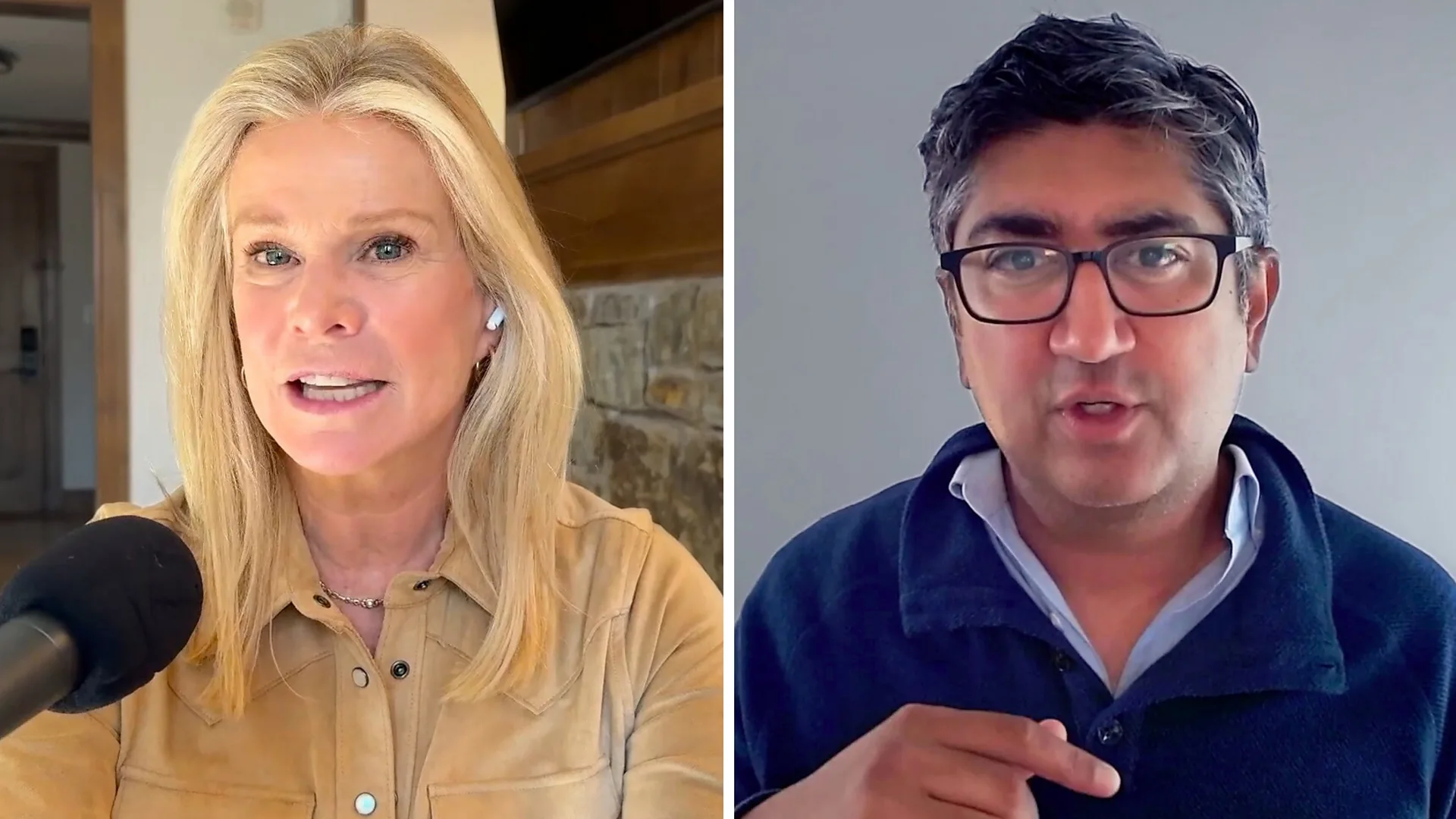
I wanted to talk about all of this with Aneesh Raman. He's the chief economic opportunity officer at LinkedIn and recently wrote an opinion piece for the New York Times about the breakdown of the career ladder – and what it means for young people.
He had a lot of practical advice about what skills he thinks young people will need to succeed in the next few years, and why the predictable path for career growth is no longer as predictable. You can watch (or read) more of our conversation below.
Below is a version of our conversation which has been edited for length and clarity.
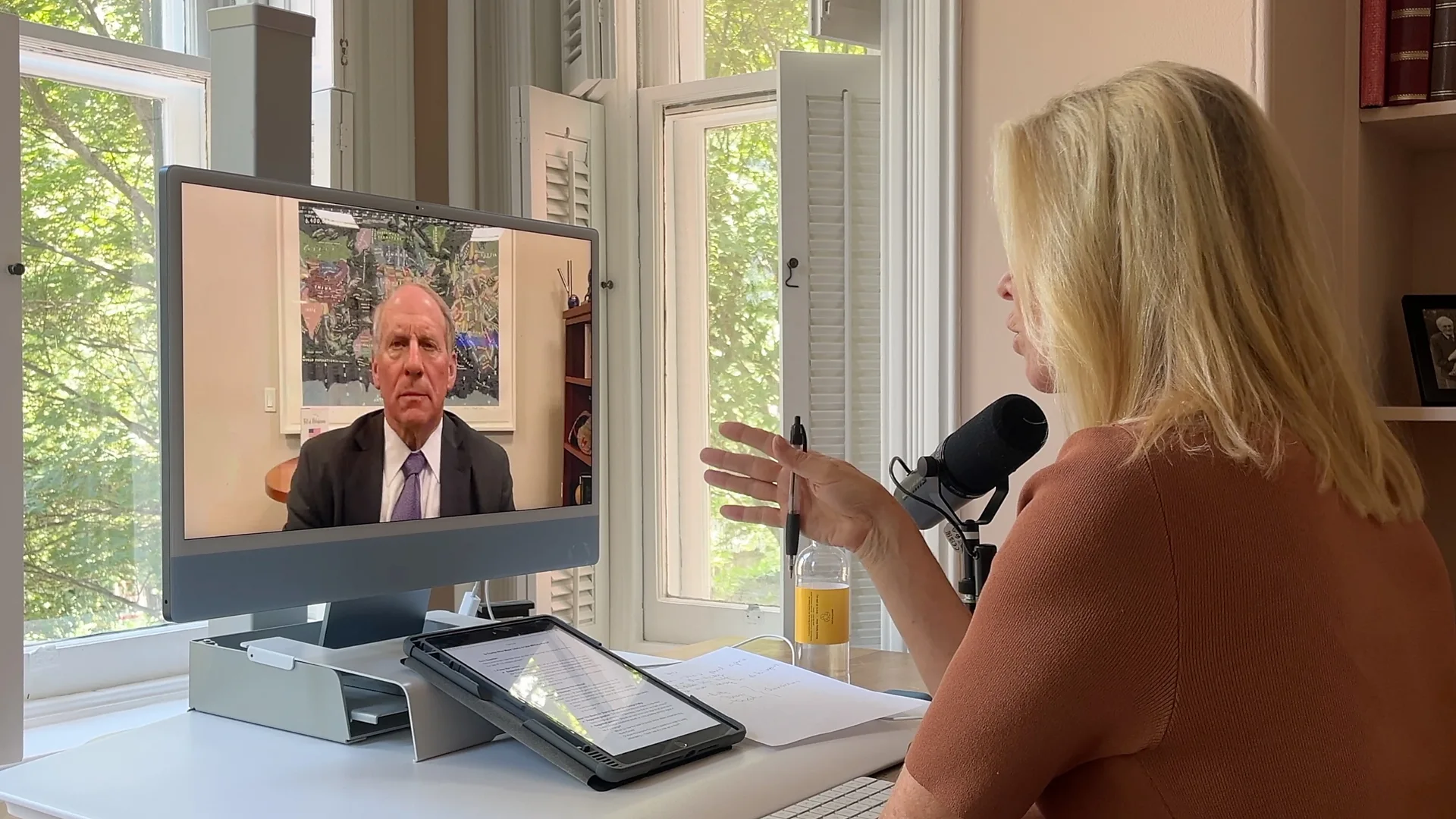
Katty Kay: I keep seeing headlines about this crisis of recent college graduates who are struggling to get entry-level jobs. What's happening and how significant is it?
Aneesh Raman: It is real and it is very significant. Entry-level workers and new grads are dealing with a perfect storm. You have all the uncertainty in the macroeconomic environment and that's affecting hiring, but you also have the beginnings of disruption from AI. That's all leading to unemployment for young people and new graduates being higher than national averages. Gen Z is feeling the most pessimistic about their futures than any other age group that we've surveyed.
But this is a moment where we're going from static career paths to dynamic career paths. It's sort of Charles Dickens's "the best of times and the worst of times", because I really do think if you had to pick a moment to start your career, this is a pretty amazing one. As AI plays out and we go through disruption and the transition to a new economy, at the other end of it will be more options for people as they build careers.
We start to see employers saying things like, 'If you have that computer science degree, do you have a philosophy minor so you can help me think about the ethical implications of what I'm building?' – Aneesh Raman
KK: Are there some graduates that are suffering more than others? Ten years ago, we all wanted our kids to do computer science. Should we now be pushing them towards other fields of study?
AR: Computer science was and remains the poster child of the knowledge economy. But the knowledge economy is on the way out and we're entering a new economy. I did a New York Times op-ed last year with our own data on this point: 96% of the average computer software engineer's job is susceptible to being done by AI, either immediately or soon. This doesn't mean the job goes away; it means that what it is to be a computer scientist changes. We start to see employers saying things like, "If you have that computer science degree, do you have a philosophy minor so you can help me think about the ethical implications of what I'm building?"
The predictable path used to be, "I got this degree, now give me that job". That was great if you got the degree, but it was not great if you couldn't afford the degree or if you weren't in a privileged community that gave you a pipeline to get the degree. Now, saying, "I got the degree," doesn't say as much. You've got to say what that means.
I think retail jobs will start to have a lot of value in a way they didn't in the knowledge economy. If you can say you worked a job where you had to show resiliency and adaptability, those are things that employers are looking for. We are individuals with unique experiences, unique energy and unique resilience. That's what we're going to get hired for – and articulating that is something folks can control.
The same generation that's having a tough time landing a first job is also AI-native and is bringing a whole new sense of what businesses should do differently - Aneesh Raman
KK: I saw a LinkedIn survey of 3,000 executives [in the US] and 63% of them believe AI will absorb entry-level tasks. So, is Gen Z just going to suffer anyway? Despite whatever good story they tell about themselves, maybe there just aren't going to be those entry-level jobs because corporations are going to give them to AI.
AR: We don't know. But we do know the same percentage in that survey says entry-level employees bring fresh ideas and new thinking that is valuable to business growth. The same generation that's having a tough time landing a first job is also AI-native and is bringing a whole new sense of what businesses should do differently as they try to adapt to this new economy.
When a new type of economy emerges – and this was true when we went from farm work to factory work, or the factory to the office – disruption comes first. We're in that right now. At LinkedIn, we've got data that 70% of the average job will have changed by 2030. We're all going to be in new jobs, even if we don't change jobs. But new types of jobs also get created. Influencer wasn't a job 10 years ago. Data scientist wasn't a job 20 years ago. So, we haven't even started to see that yet, aside from AI jobs.
So, if you're an entry-level worker, yes, right now you're at the whim of companies doing the math of how they should transition. Some companies are going to use old math for the new equation and just think it's all about shrinking. Others will realise we've got to bring these folks in who are going to help us build new business lines and think in different ways.
KK: What would you say to a 22 year old graduating from college who is struggling to find a job – or to their anxious parents?
AR: The first thing is to be pro-you. The story of work, since the first industrial revolution, has been the story of technology at work, not humans at work. We have been training people to be task managers around technology. We now are going to flip that and put humans at the centre of work. You've got to really understand what your unique curiosities are and what drives you. Really start to understand how you're going to get to a place where no one beats you at being you.
Featured Real Estates
Sponsored
Sign Up for Rusrek
Subscribe to be informed about special news, developments and announcements. We will keep you informed.
By signing up, you agree to our Privacy Policy